
Loading the latest stories…




The Fall 2024 issue of Easy Weaving with Little Looms is all about the ways in which weavers mix and match yarns and fibers.
Christina Garton2 min read
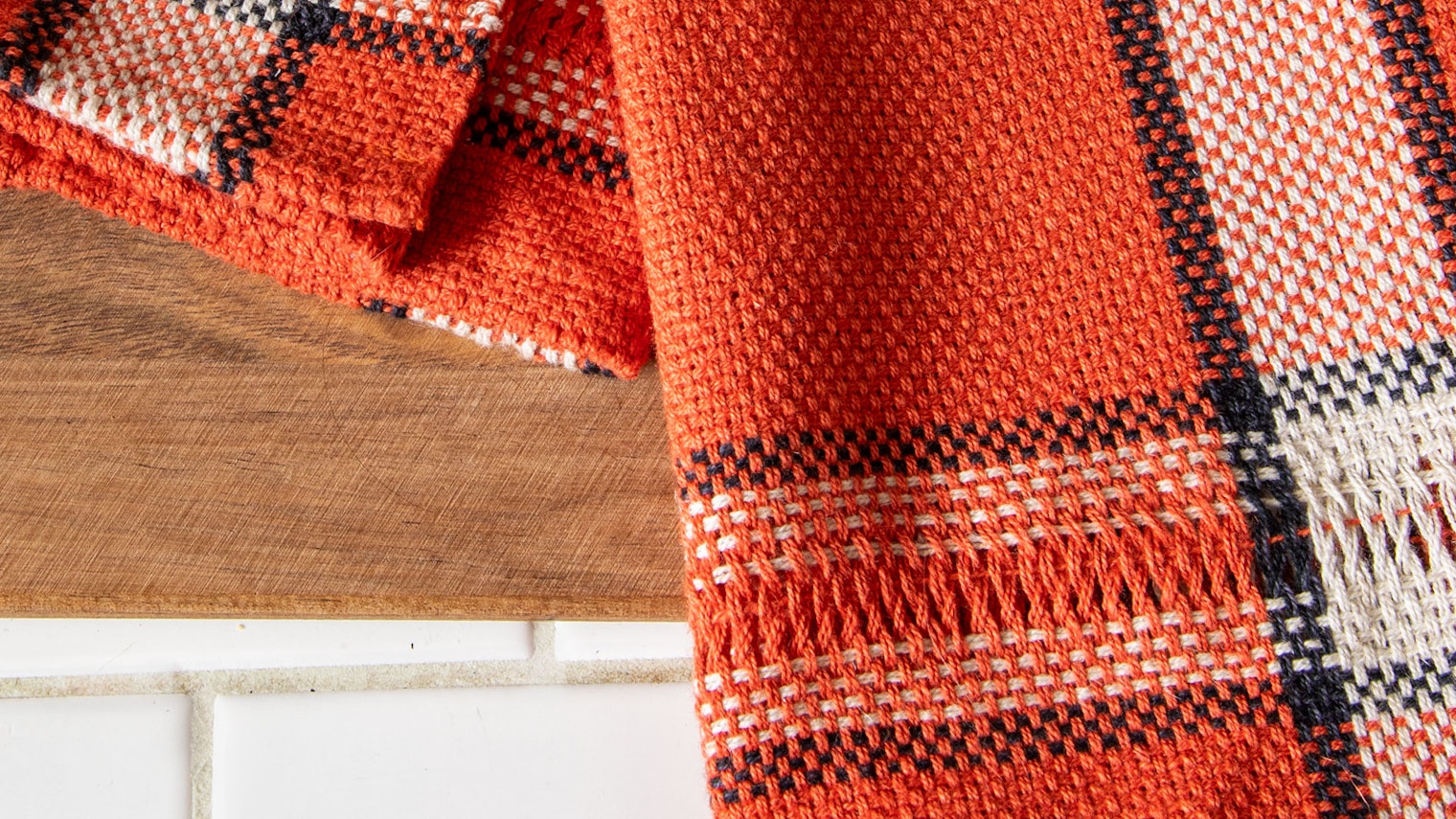
I’ve long been envious of hand-spinners. Not only do they transform fibers into yarn, but they also have a deeper, better understanding of each fiber they spin. It’s one thing to know that a yarn contains a blend of angora and merino; it’s another to know exactly why you’d want to blend the two fibers. While working on the spinning content for the Fall 2024 issue, I decided to stop being envious and give spinning a try.
Many years ago, I tried using a drop spindle and failed miserably. This time around, however, I watched The Spinning Teacher with Maggie Casey video workshop and learned the park-and-draft method of spindle spinning. Immediately I was making yarn—lumpy, bumpy yarn—and I loved it. I began spinning during all my free moments—at Cub Scout meetings, at gymnastics classes, and in the school pick-up line—and after a couple of weeks my yarn became finer and more even as I understood the process more. Suddenly, I realized I was a spinner. A beginning spinner, yes, but a spinner, nonetheless.
 Jennifer Chapman wove her gorgeous Pretty in Plum Purse using a yarn made from leftover scraps from garment manufacturing. The result is eco friendly and simply stunning.
On the fence about spinning? I suggest starting with the article “How Learning to Spin Can Make You a Better Weaver,” which focuses on the benefits of handspinning for weavers of all kinds—but especially small-loom weavers. Not interested in spinning but still want to know more about the fibers we all love? Check out this issue’s String Theory, “Fiber Types 101,” and learn about different fibers—where they come from, how they’re processed, and the special attributes of each. Just want to see photos of the fluffiest rabbits you can imagine? (Who doesn’t?) “Behind the Yarn: Angora Rabbits” is the article for you.
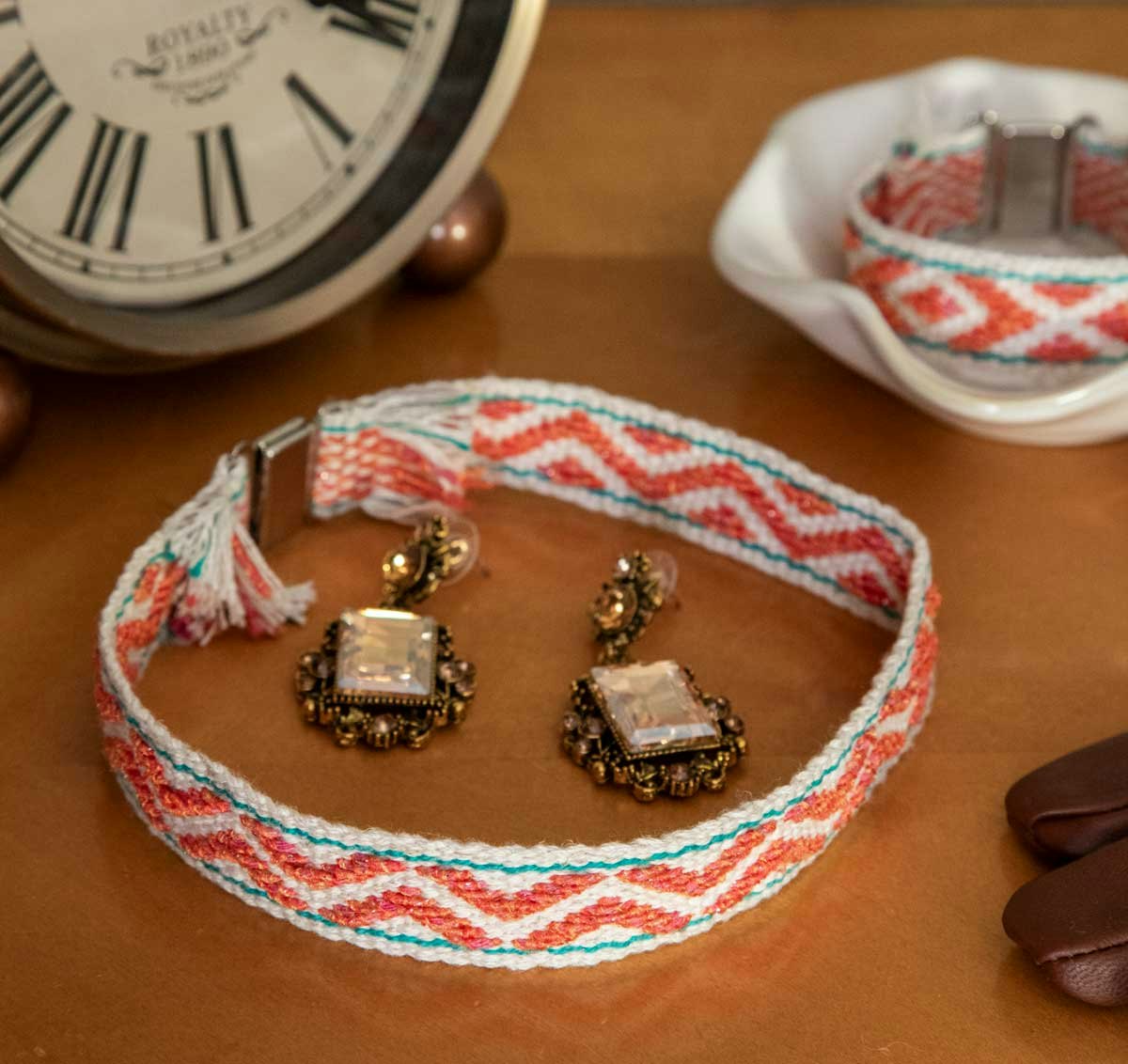 These Touch of Turquoise bracelets by Alison Irwin get a hint of shimmmer in terra cotta pattern threads from just a touch of rayon blended with cotton and linen.
I like to say the best way to learn is by doing, which in this case means mixing and matching fibers in weaving—by using a blended yarn, a blend of two yarns with different fiber content in a fabric, or both. This issue is chock-full of projects that are fusions of fiber. Take advantage of differential shrinkage by weaving a cotton runner with a few stripes of wool pencil roving. Use a paper/linen blend to weave a set of elegant baskets. Combine cottolin with a cotton/linen/rayon blend to make a set of Baltic pick-up bracelets with just a hint of sheen. I could go on, but of course, I suggest you check the Fall 2024 issue out for yourself!
Happy Weaving! Christina
More from Little Looms
 Tutorial: Continuous-Strand WeavingLearn the basics of using the continuous strand–weaving method on a pin loom.Jennifer Chapman · July 30, 2026
 Twill for the Rigid-Heddle Loom: It’s Easier Than You Think!Learn why weavers love twill—and what makes it a great weave for the rigid-heddle loom.Christina Garton · July 14, 2026
 Dealing with Selvedges that Go BumpLace weaves are notorious for creating uneven, scalloped, and overall lumpy-bumpy selvedges. Learn two different methods for handling these selvedges in the first installment of our Summer Selvedge Series. Christina Garton · June 4, 2026
 My New Obsession: Three-Color Pick-up on the Inke LoomFind out how this niche Lithuanian technique found its way to America, and why it’s Christina’s new favorite way to create patterns on her inkle loom.Christina Garton · May 5, 2026
 Long Thread Podcast: Angela Tong, Multidisciplinary MakerSeason 14, Episode 7: A jeweler, knitter, crocheter, weaver, and potter sit down for a chat—and it turns out she's the same person. Angela Tong talks about a creative life built on detail, technique, and staying true to her own voice.Anne Merrow · May 2, 2026
 Get Started: Read a Basic Rigid-Heddle PatternHere's what you'll see in a rigid-heddle pattern in Little Looms—and how to translate that information to the loom!Christina Garton · April 23, 2026
 Up Your Design Game with the Fibonacci SequenceLearn how easy it is to design beautiful, asymmetric patterns using a simple bit of math. Christine Jablonski · April 21, 2026
 Perfectly Portable Looms for Weaving on the GoInterested in weaving on small looms? Learn how easy it is to build your own tiny weaving studio and sampler looms using simple household items. Elizabeth Jensen · March 26, 2026
 Join the Band: A New Retreat Just for BandweaversJoin us this fall for four days of bandweaving fun at Band Camp for Weavers!Christina Garton · March 24, 2026
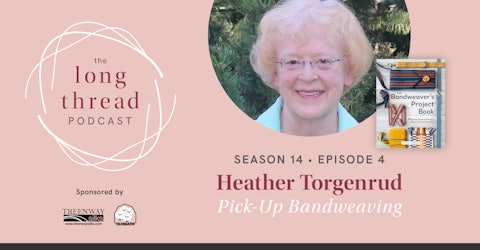 Long Thread Podcast: Heather Torgenrud, Pick-Up BandweavingSeason 14, Episode 4: Although her weaving interests vary from Anne Merrow · March 21, 2026
From the Library


Comments
No comments yet — be the first to share your thoughts.
Sign in to join the conversation — commenting is for signed-in members.