
Loading the latest stories…

Learn how the humble hexagon loom expanded the pin-loom projects found in Easy Weaving with Little Looms.
Christina Garton2 min read
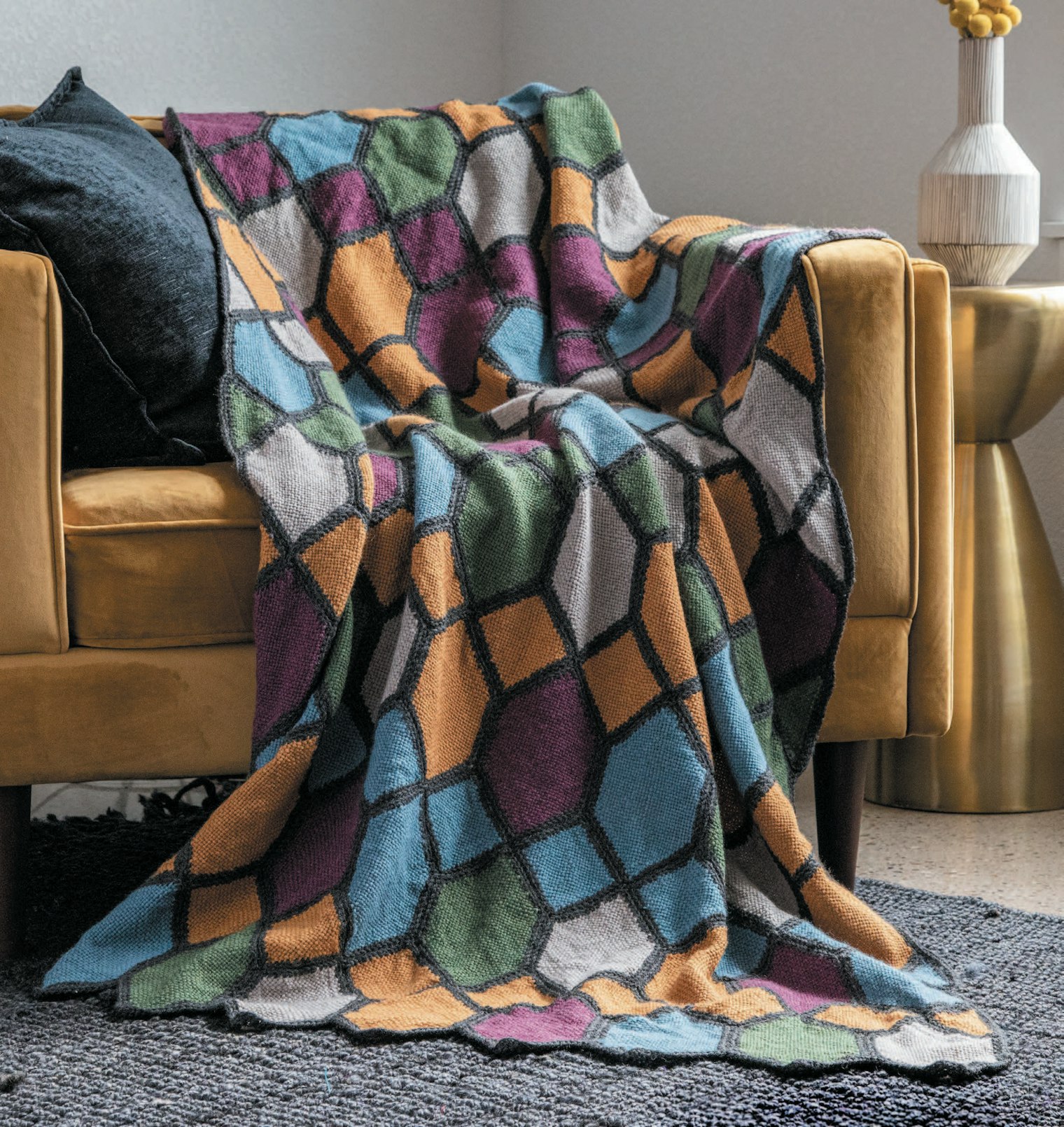
Back when the first issue of Easy Weaving with Little Looms came out, almost 10 years ago (if you can believe it), the only pin-loom projects featured were for 4" square pin looms. We knew other shapes and sizes existed, but we weren’t certain how many pin-loom weavers owned more than one loom, so we stuck firmly to the 4" square. That’s how it remained until two years later when, while reviewing the submission for the 2018 issue, we were first introduced to the hexagon loom.
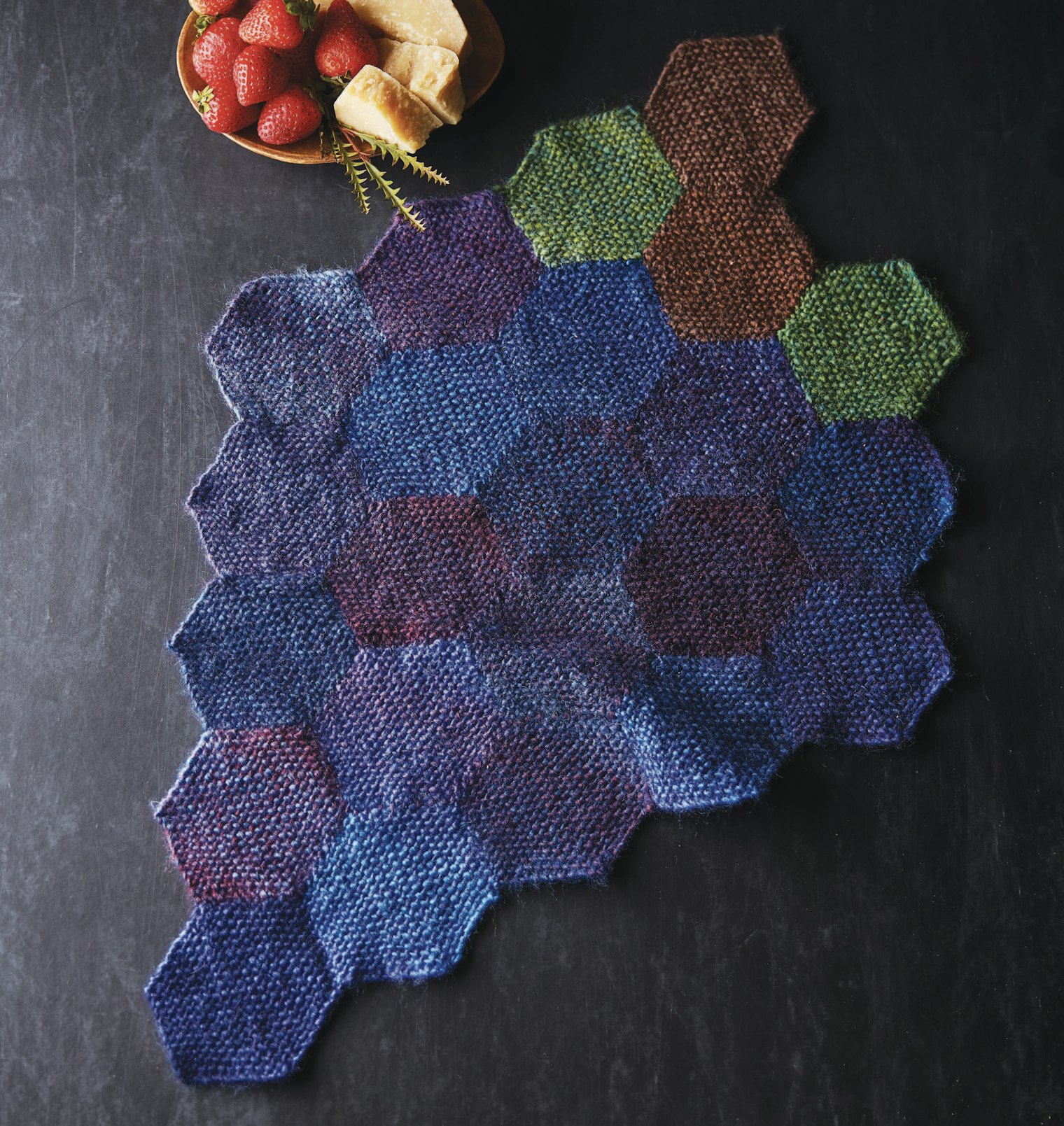
The very first hexagon pin-loom project ever to appear in a Little Looms magazine. Photo credit: George Boe
The submissions were so good that we knew we had to include just one to see whether people liked it. Since that first project—Gabi van Tassell’s Grape Table Topper, if you must know—Little Looms has been hooked on hexagons, and every issue since has included at least one (often more than one) hexagon-loom project.
 The Lilas Au Printemps Scarf by Jane Grogan combines crochet and hexagons for an elegant effect. Photo credit: Matt Graves
Not only did that first hexagon project open the door to more, but it also made us realize that many pin-loom weavers were eager for projects that used different shapes and sizes of pin looms. Now, of course, I know pin-loom weavers (myself included) collect pin looms in the same way any other artist or hobbyist collects new tools and gadgets related to their interests. I wouldn’t expect somebody with an interest in carpentry to have only one saw or hammer—why would we expect pin-loom weavers to stick with only one size and shape of pin loom?
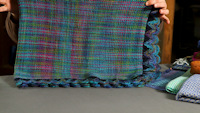
 The Celtic Square Baby Blanket by Anthony Thompson uses several sizes and shapes of pin looms. Photo credit: Matt Graves
Of course, we realize everyone has to start somewhere, which is why, along with projects that combine pin-loom shapes and sizes, for each issue, we also make sure to have projects that use just one type of pin loom. Whether your first pin loom is the original 4" square or a 4" hexagon like the one used in that first Grape Table Topper, we’ve got you covered.
Happy Weaving!
Christina
More from Little Looms
 Skill Guide: A Weaver’s Guide to FiberNo matter what loom(s) you love to weave on, understanding the different characteristics of a fiber can help you make better choices when picking yarns for projects.Christina Garton · July 31, 2026
 Tutorial: Continuous-Strand WeavingLearn the basics of using the continuous strand–weaving method on a pin loom.Jennifer Chapman · July 30, 2026
 Give Yourself the Gift of a Weaving GetawayWhat’s better than learning to master a new weaving? Doing it among friends, new and old! Little Looms Editors · July 21, 2026
 6 Easy Ways to Elevate Your Selvedges with TrimsAdd extra flair to your selvedges and hems with these terrific trims. Christina Garton · July 16, 2026
 A Celebration of Stripes: Call for Submissions Fall 2027We're looking for striped projects of all kinds for our Fall 2027 issue—and that includes plaids and checks, too!Christina Garton · July 9, 2026
 A Trio of Table ToppersGo beyond rectangular runners with table toppers. Christina Garton · June 30, 2026
 Crochet for Your Selvedges? Your Edges Will Thank YouFind out why Sara Bixler finishes some of her woven pieces with crochet. Watch her free video clip, and then dive into several stitch options to try on your next project. Little Looms Editors · June 25, 2026
 Compose a Masterpiece on Your LoomAfter all, a loom is just another type of stringed instrument. Christina Garton · June 23, 2026
 Two Ways to Make Terrific TasselsTurn loom waste or small bits of extra-special yarns into beautiful, custom-made tassels perfect for trimming handwoven projects and so much more!Christina Garton · June 18, 2026
 An Invitation to SparkleLearn three approaches for using metallic threads to weave fabric that literally shines bright! Christina Garton · June 16, 2026
From the Library


Comments
No comments yet — be the first to share your thoughts.
Sign in to join the conversation — commenting is for signed-in members.