
Loading the latest stories…


Rya and soumak are simple techniques that can add a powerful visual punch to your weaving. Learn how to use these two techniques in your weaving with some helpful (and free!) videos by Esther Rodgers.
Christina Garton2 min read
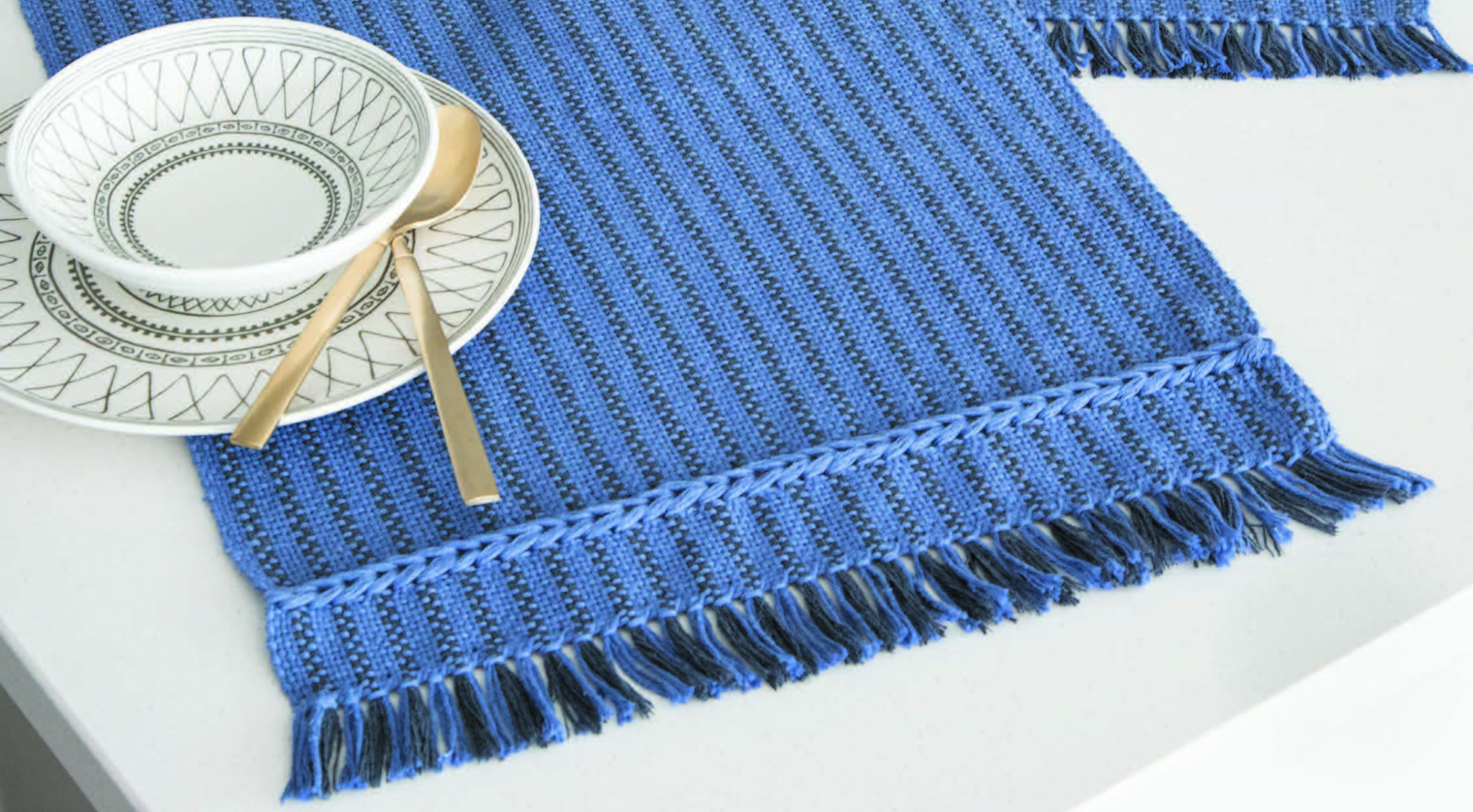
Hand-manipulation techniques add texture and visual interest to your weaving. Often, we think of certain techniques as “for tapestry weaving” or “for rigid-heddle weaving,” but the truth is you can often use these techniques on either loom. Two examples of techniques that transcend loom type are rya and soumak.
 Rya knots are fun and easy hand-manipulation techniques. While they tend to be associated with tapestry, you can also do them on floor looms, as in this pin cushion woven by Anita Osterhaug, as well as on rigid-heddle looms. Photo by George Boe
Rya knots are a type of knot used in weaving to create areas of fringe or pile, depending on how densely you tie the knots and how long you leave the tails. Today, you’ll often find rya used in tapestry as a decorative technique, but traditionally, the knots were used to create pile for blankets and rugs. Rya can also be used to add fringe along the selvedges. If you’re weaving a blanket that you want fringed on all sides, use rya! If you’re weaving a triangular scarf and want fringe on 2 sides, try rya! I bet it would also look incredible at either end of a scarf to give a layered fringe effect. (I might need to try that myself!)
So how do you add rya knots to your weaving? I could try to write it all out here, but it might be easier to just show you. In this video short from Esther Rodgers’ course Expressive Weaving on a Rigid-Heddle Loom, Esther demonstrates how to tie rya knots step-by-step and shows you just how fun and easy they are to add to your weaving.
Soumak also adds texture and visual interest to weaving. With soumak, you twist a weft around warp ends to create a raised area of angeled weft. Two rows of soumak, one on top of the other, look a bit like a braid within your weaving (as seen in Judy Ybarra’s placemats at top). It can be used in small chunks or from selvedge to selvedge. Traditionally soumak is used to weave decorative flat-woven (pile-free) rugs, but it looks fabulous in placemats, runners, scarves, and any other project where you want just a hint of texture.
Like rya, soumak is actually a fairly simple technique. Once you learn how to do the basics, you can adjust accordingly to create areas of thicker texture, make shapes, and much more. Once again, here’s the amazing Esther Rodgers demonstrating this versatile technique.
These are just two fabulous techniques out of many that can add pizzazz to your weaving, whether you’re using a tapestry or rigid-heddle loom. For more ideas and inspiration, check out the rest of Esther’s course—you’ll end up with a whole toolbox of techniques to add texture and interest to your handwoven cloth.
Happy Weaving!
Christina
Originally published 4/12/2023; updated 5/29/2025
More from Little Looms
 Skill Guide: A Weaver’s Guide to FiberNo matter what loom(s) you love to weave on, understanding the different characteristics of a fiber can help you make better choices when picking yarns for projects.Christina Garton · July 31, 2026
 From WIF to Woven ClothLearn how to use WIFs and weaving software to create and edit patterns—before you put a single thread on the loom. Christina Garton · July 23, 2026
 Give Yourself the Gift of a Weaving GetawayWhat’s better than learning to master a new weaving? Doing it among friends, new and old! Little Looms Editors · July 21, 2026
 6 Easy Ways to Elevate Your Selvedges with TrimsAdd extra flair to your selvedges and hems with these terrific trims. Christina Garton · July 16, 2026
 Twill for the Rigid-Heddle Loom: It’s Easier Than You Think!Learn why weavers love twill—and what makes it a great weave for the rigid-heddle loom.Christina Garton · July 14, 2026
 A Celebration of Stripes: Call for Submissions Fall 2027We're looking for striped projects of all kinds for our Fall 2027 issue—and that includes plaids and checks, too!Christina Garton · July 9, 2026
 Make Your Own Cardboard Mini-ShuttlesButterflies are beautiful, but they’re not always the best choice when you’re weaving. Try winding small bits of weft on these simple, DIY cardboard shuttles instead!Christina Garton · July 7, 2026
 A Trio of Table ToppersGo beyond rectangular runners with table toppers. Christina Garton · June 30, 2026
 Crochet for Your Selvedges? Your Edges Will Thank YouFind out why Sara Bixler finishes some of her woven pieces with crochet. Watch her free video clip, and then dive into several stitch options to try on your next project. Little Looms Editors · June 25, 2026
 Compose a Masterpiece on Your LoomAfter all, a loom is just another type of stringed instrument. Christina Garton · June 23, 2026
From the Library


Comments
No comments yet — be the first to share your thoughts.
Sign in to join the conversation — commenting is for signed-in members.