
Loading the latest stories…


AA
Learn a bit about what makes sheep's wool so special. All Access subscribers can also download three projects featuring warm and wonderful wool yarns from Easy Weaving with Little Looms
Amy Tyler2 min read
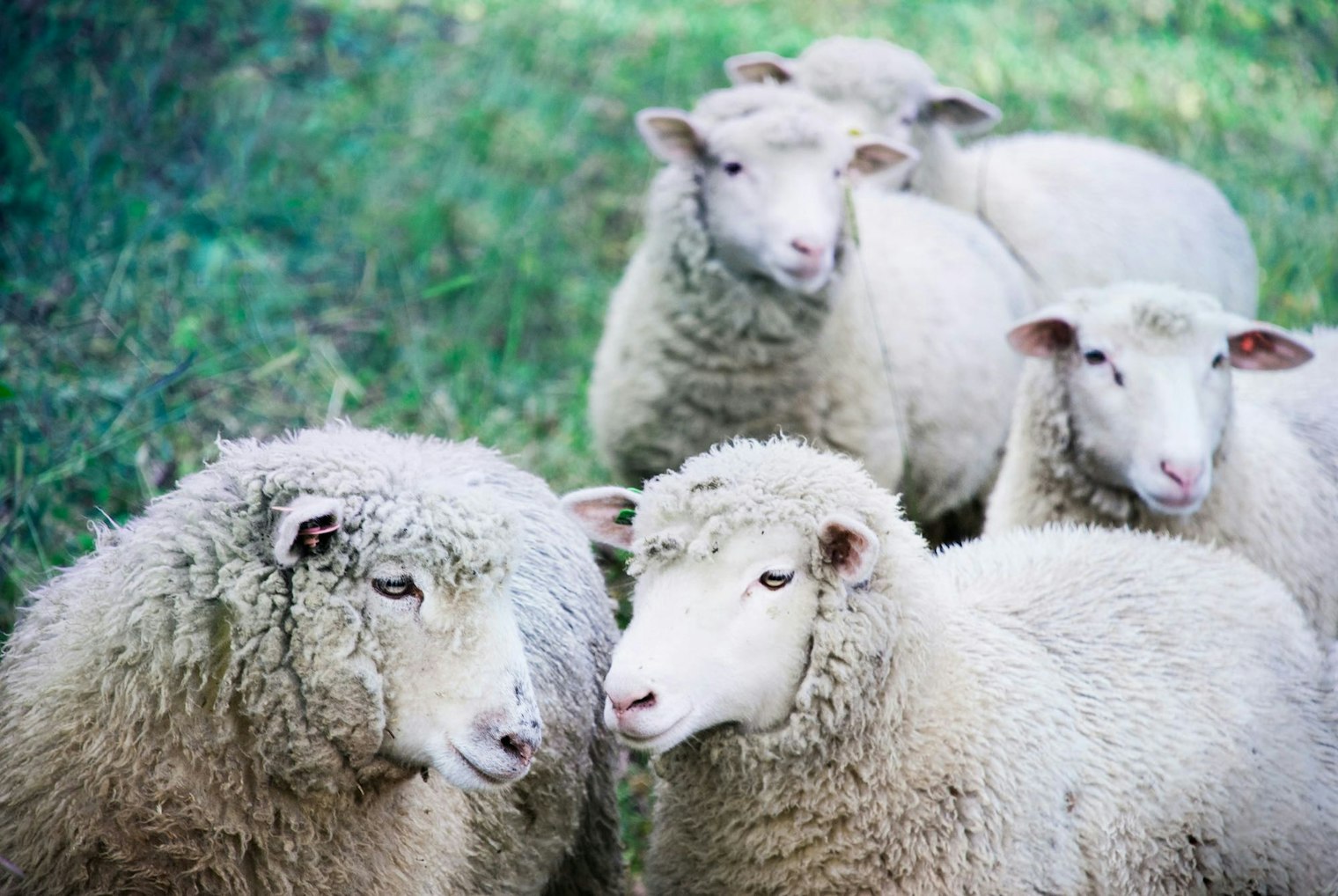
Fall is finally here, which means it’s the perfect time to start weaving with (and wearing!) wool. The most common type of wool in the US is sheep's wool. In her article, Fiber Types: 101—The Basics from the Fall 2025 issue, Amy Tyler goes into more detail about wool, where it comes from, and why it’s such a beloved fiber. Below is an excerpt from that article and, as an All Access Subscriber Exclusive, three of our favorite wool projects to get you started on your autumn weaving.
Most sheep wools share some common characteristics: they are warm, elastic, and durable. Wools can absorb a significant amount of water and still be warm; they are strong when dry and much weaker when very wet. Wools usually require handwashing to prevent fulling, although the amount they shrink varies across breeds.
Other characteristics of wool also vary considerably across breeds. Some produce very soft fiber (Merino or Cormo), while others produce exceptionally strong and durable fiber (Suffolk or Montadale). Fabrics made from breeds such as Targhee are wrinkle resistant, while those made from Merino are not. Some grow their fleeces at a rate of only a couple inches per year (Suffolk), but others can grow up to 12 inches in the same period (Teeswater).
 One of the special characteristics of sheep's wool is it's ability to full and felt. For her Snow Mittens in the Winter 2023 issue, designer Brittany Wells gently fulled her wool fabric. Doing so allowed her to cut out the pieces for her mittens without the yarns ravelling. All Access Subscribers can download the project below! Photo by Matt Graves
The process for taking wool from sheep to yarn includes several steps. The fleece is sheared from the sheep (a step that provides wool but is also important to the sheep’s health and well-being); that fleece is skirted, or trimmed, to remove all seriously dirty bits. Then it’s washed (or scoured) to remove dirt and lanolin, before being prepared for spinning by some combination of teasing, carding, and/ or combing. At this point, the fiber is ready to spin into yarn.
Some wool is prepared and spun into worsted yarns, which are smooth, dense, and durable and have a good amount of twist. Other wool is prepared and spun into woolen yarns, which are fluffy and provide high insulation; woolen-spun yarns are more likely to pill than their worsted counterparts. Superwash wool has been mechanically or chemically altered to prevent fulling or shrinking, even when it is machine washed.
So there you have it! While there is so much more to wool and what you can do with it, Amy's article is a great primer—make sure to check out the full article in the Fall 2024 issue so you can learn about other animal fibers as well. If you're an All Access Subscriber, make sure you scroll down and check out our three free project downloads for fabulous projectst that showcase just how wonderful wool really is.
Happy Weaving! Christina
More from Little Looms
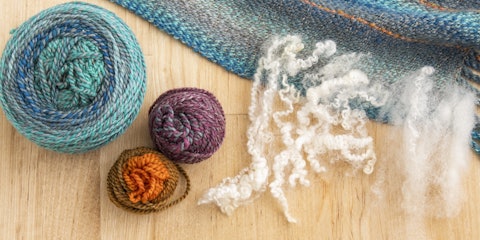 Skill Guide: A Weaver’s Guide to FiberNo matter what loom(s) you love to weave on, understanding the different characteristics of a fiber can help you make better choices when picking yarns for projects.Christina Garton · July 31, 2026
 From WIF to Woven ClothLearn how to use WIFs and weaving software to create and edit patterns—before you put a single thread on the loom. Christina Garton · July 23, 2026
 Give Yourself the Gift of a Weaving GetawayWhat’s better than learning to master a new weaving? Doing it among friends, new and old! Little Looms Editors · July 21, 2026
 6 Easy Ways to Elevate Your Selvedges with TrimsAdd extra flair to your selvedges and hems with these terrific trims. Christina Garton · July 16, 2026
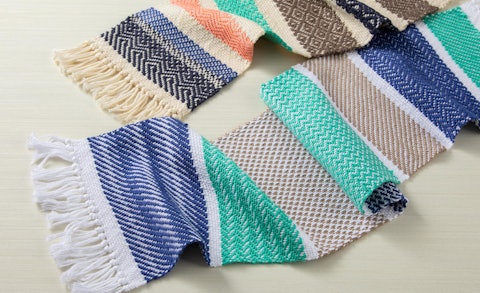 Twill for the Rigid-Heddle Loom: It’s Easier Than You Think!Learn why weavers love twill—and what makes it a great weave for the rigid-heddle loom.Christina Garton · July 14, 2026
 A Celebration of Stripes: Call for Submissions Fall 2027We're looking for striped projects of all kinds for our Fall 2027 issue—and that includes plaids and checks, too!Christina Garton · July 9, 2026
 Make Your Own Cardboard Mini-ShuttlesButterflies are beautiful, but they’re not always the best choice when you’re weaving. Try winding small bits of weft on these simple, DIY cardboard shuttles instead!Christina Garton · July 7, 2026
 A Trio of Table ToppersGo beyond rectangular runners with table toppers. Christina Garton · June 30, 2026
 Crochet for Your Selvedges? Your Edges Will Thank YouFind out why Sara Bixler finishes some of her woven pieces with crochet. Watch her free video clip, and then dive into several stitch options to try on your next project. Little Looms Editors · June 25, 2026
 Compose a Masterpiece on Your LoomAfter all, a loom is just another type of stringed instrument. Christina Garton · June 23, 2026
From the Library


Comments
No comments yet — be the first to share your thoughts.
Sign in to join the conversation — commenting is for signed-in members.