
Loading the latest stories…

Did you know that you can weave with the stems and leaves of common flowers? Learn more with this All Access Subscriber project.
Christina Garton2 min read
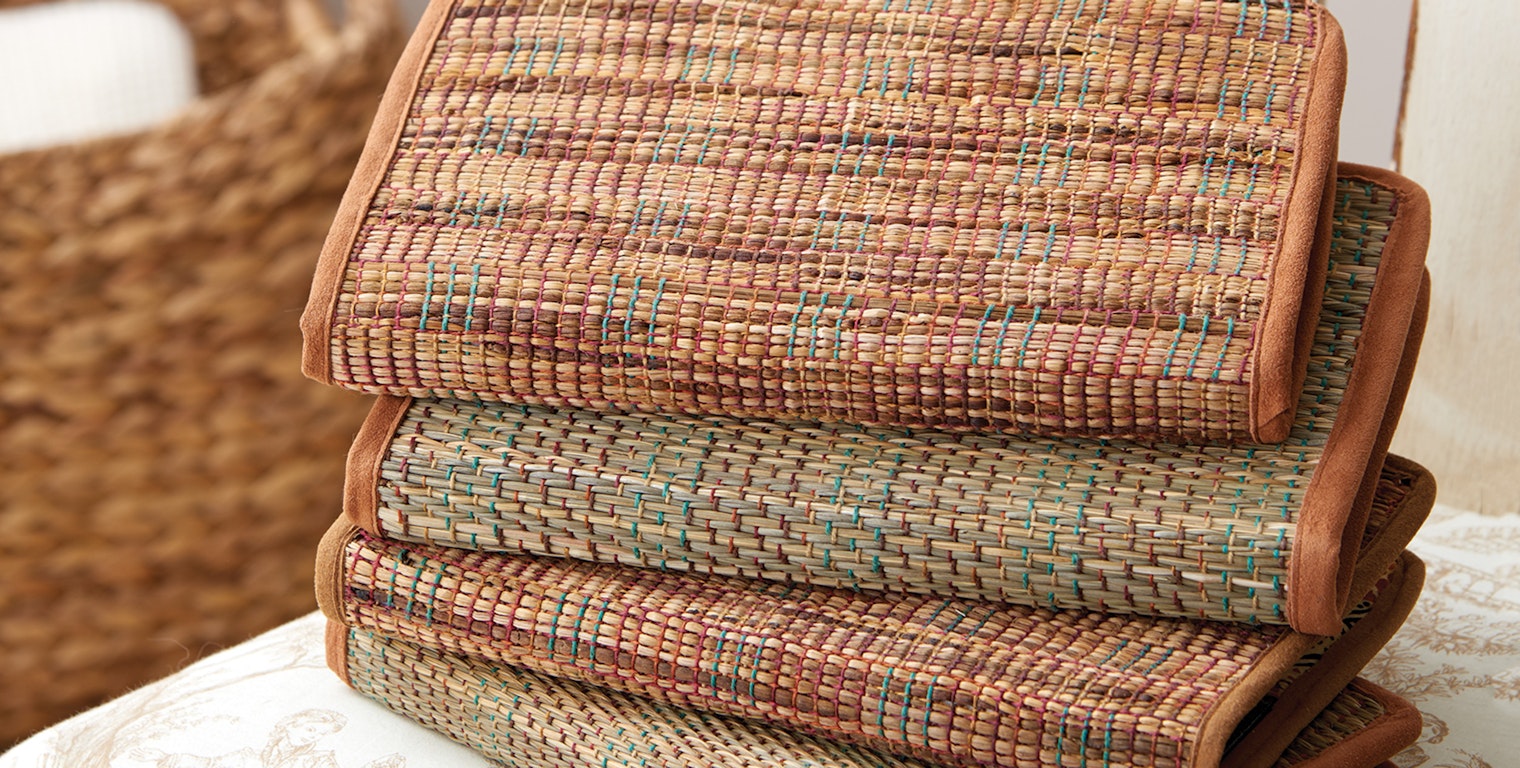
Now that summer is in full swing, I’m checking my garden every day for anything I can harvest. Lately, it’s been apricots and the very last of the dill, but I’ve also got peaches, plums, and veggies galore to look forward to. While we often think of gardens as places to get fresh fruits, vegetables, herbs, and flowers for our homes, they’re also a great source of goodies for our weaving!
Plants for dyeing are of course the obvious example, but did you know that the stems and leaves of common flowers can be harvested, dried, and used to weave grasscloth? Stems and/or leaves of day lilies, irises, and daffodils, among others, work well for this purpose. Not a spinner? Not to worry! The stems and leaves aren’t retted and turned into a spun yarn à la flax to linen; instead they are trimmed, washed, and dried before being woven to create a sturdy fabric.
 Daffodils are just one flower that can be used to weave grasscloth. Photo by Annie Sprat on Unsplash
Curious about how to use harvested flower stems and leaves to weave your own grasscloth? In this All Access Subscriber Exclusive project, designer Patricia Morton gives you all the information you need to get started harvesting, curing, and weaving. Not only does the PDF include full instructions on preparing the stems and leaves, but it also includes weaving and sewing instructions for a set of rigid heddle–woven grasscloth book covers. (Not an All Access Subscriber? Learn more about all the benefits of subscribing.)
While this particular project is for the rigid-heddle loom, I can’t help but think of ways to use stems or leaves in other types of weaving—as the final layer of a pin-loom piece, as an extra-thick weft in inkle—so much potential!
While the project mentions only a few specific flowers, curing the stems and leaves is so easy, it seems like a perfect chance to experiment with what you have on hand.
More from Little Looms
 Five Fabulous Projects from Jennifer WilliamsLearn a bit more about inkle-weaver extraordinaire and Weave Together with Handwoven 2025 instructor Jennifer B. Williams. All Access subscribers can also download all of Jennifer’s previous Easy Weaving with Little Looms projects. Christina Garton · August 1, 2024
 Rigid-Heddle Projects from the Pages of HandwovenAs a bonus for All Access Subscribers, we’ve pulled two rigid-heddle projects from back issues of Handwoven and turned them into handy-dandy PDF downloads. Christina Garton · January 25, 2024
 Showcasing Soft, Shimmering SilkLike silk? Well then, you’ll love our new eBook, Sensational Silk, free to All Access subscribers. Christina Garton · November 23, 2023
 Try the Slit-Weft Technique—in a Scarf!Get the details behind the design possibilities of the slit-weft technique, and All Access subscribers can download an exclusive scarf pattern to try out what they’ve learned. Christina Garton · August 17, 2023
 Get Ready for Some Gnome Cooking!Every home chef and baker needs this playful pin-loom gnome. Christina Garton · May 10, 2023
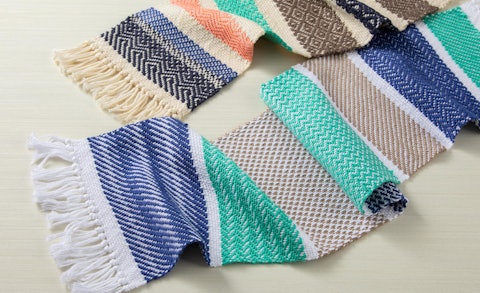 Twill for the Rigid-Heddle Loom: It’s Easier Than You Think!Learn why weavers love twill—and what makes it a great weave for the rigid-heddle loom.Christina Garton · July 14, 2026
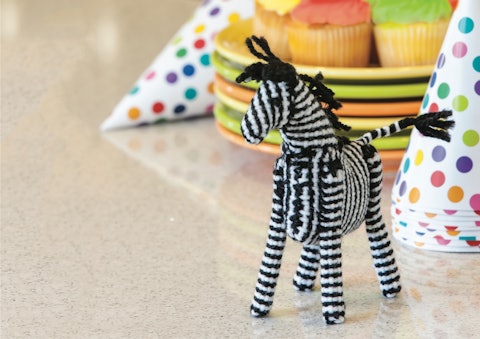 A Celebration of Stripes: Call for Submissions Fall 2027We're looking for striped projects of all kinds for our Fall 2027 issue—and that includes plaids and checks, too!Christina Garton · July 9, 2026
 Make Your Own Cardboard Mini-ShuttlesButterflies are beautiful, but they’re not always the best choice when you’re weaving. Try winding small bits of weft on these simple, DIY cardboard shuttles instead!Christina Garton · July 7, 2026
 Designing Borders for Pick-Up BandsLearn tips and tricks for designing borders for your pick-up bands, from simple stripes to more complex color-and-weave designs. Christina Garton · July 2, 2026
 A Trio of Table ToppersGo beyond rectangular runners with table toppers. Christina Garton · June 30, 2026
From the Library




Comments
No comments yet — be the first to share your thoughts.
Sign in to join the conversation — commenting is for signed-in members.