
Loading the latest stories…



It's summertime and if you've got small, wannabe weavers at home until school starts again, here are 6 tips for (mostly) frustration-free weaving with kids.
Christina Garton4 min read
In my limited experience, I’ve found weaving with kids can be either a great amount of fun or a frustrating experience for both weaver and teacher. When things go well, children not only learn the basics of weaving but also the joys of playing with color and texture as they weave up projects of their very own. When things go bad, you usually get a partially woven mess as both parties sulk about what could have been. Having taught weaving to more than a few children over the years, I’ve learned a few tips and tricks to weaving with kids.
 Pin looms, like the ones used to weave Margaret Stump's No Drama Llamas from the Fall 2022 issue are perfect for small hands. Photo by Matt Graves
Small looms are your friend. I love pulling out my rigid-heddle loom when my niece comes to visit for the holidays. It’s not too big for her to handle, easy to use, and very forgiving. Pin looms, frame looms, and cardboard looms are also great choices for kids.
Have realistic expectations. Think about the age of the child, their attention span, and their hand-eye coordination and build the experience off of that. For younger children I prefer to have them help me weave rather than weave their own project. I let them choose the yarn (from a selection I’ve put out) and help me put the shuttle through the shed. This gives them hands-on experience that fits their skill level. Sometimes my 5-year-old son just wants to watch me weave and ask questions. For weaving with kids who are older, you can give them the pre-warped loom and a bunch of different yarns to use as weft and give them free reign after teaching them the basics.
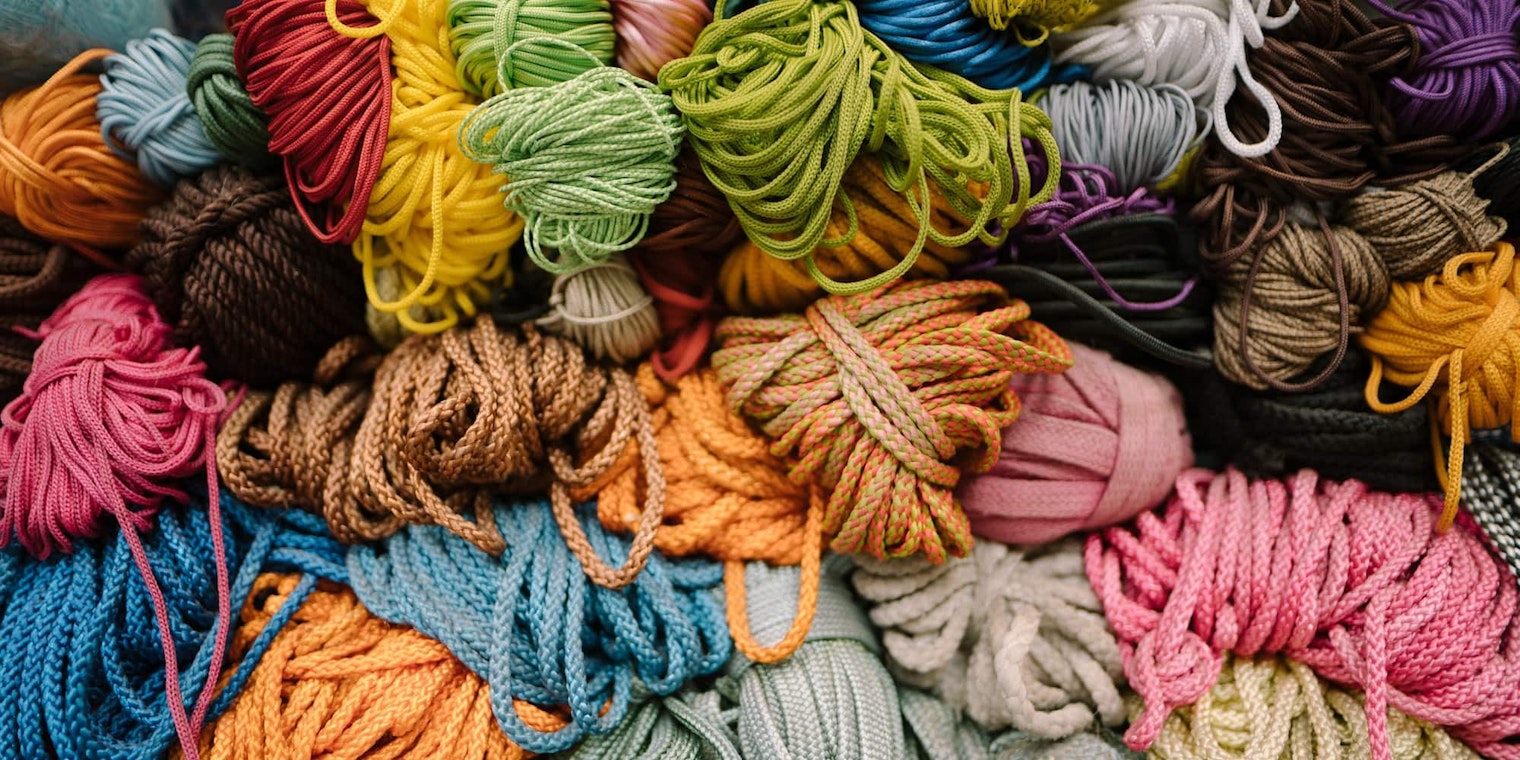
Choose kid-friendly yarns. When I weave with my niece I like to pull out all my fun fashion yarns—yarns with bits of sparkle or bright changing colors. These yarns are usually synthetic or superwash so anything she weaves will be easy to clean. I also leave expensive, delicate, sticky, or otherwise persnickety yarns on the shelf. If you have balls of yarn that are too small to use on their own, this is the perfect time to pull them out.
Try not to micromanage. Oh, now this one is hard for some people, but micromanaging a child’s art project is almost always a one-way ticket to Pout Town. It can be very difficult to find the balance between “helping” and “getting in the way.” Stand by and give help when asked. Are their selvedges abominable? That’s Ok. If they want them to be straighter they’ll ask for help, otherwise let it be. DO NOT take the shuttle from them and show them how it should be done if they don’t ask for help and they’re not destroying the loom. Let them get the rhythm of weaving and have fun handling the cloth. Remember: It’s just yarn.
Refrain from being an artistic director. Does the cloth look like a unicorn threw up? That’s great! Let them play with color and texture. This isn’t your project and it’s not being graded, sold, or judged. Let the child weave their cloth how they like, and as much as you might want to suggest that maybe they use this yarn instead of that one save it for your own weaving. Don’t be the person who tells a child that they shouldn’t color the sky purple because everyone knows the sky is blue. Giving them free reign on color and yarn choice is just one way to make them feel invested in the weaving.
It’s all gonna be OK if they get bored or need a break—even if it's after just a few minutes. Do you remember being a kid? What it was like to have all that energy that you had to keep bundled up all the time? Kids have different attention spans from (most) adults. They might love weaving, but after ten minutes they’re ready to go pet the dog or climb a tree. When I taught kids' art classes at a local museum we’d have frequent breaks with walks and even mini dance sessions where kids would “get their wiggles out.” When the kids came back they were more focused and motivated. Now some kids will take their weaving seriously and want to keep going until they finish the warp and that’s wonderful! Some kids will simply not enjoy weaving no matter what. All of that is Ok. Life is a rich tapestry, after all!
So there you have it: Six tips to help you make your attempts to teach and weave with children more successful. While I can’t guarantee the children will fall in love with weaving or create a masterpiece, these tips will help both student and teacher have more fun and result in less sulking for all parties involved.
Happy Weaving!
Christina
Originally published July 12, 2022; updated June 30, 2025.
More from Little Looms
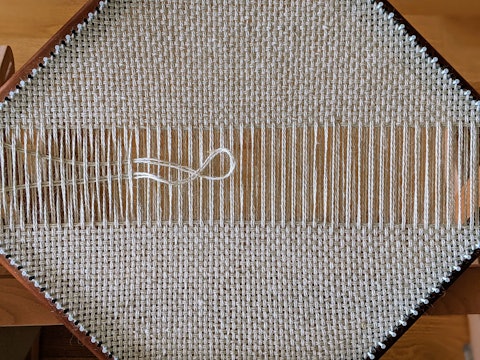 Tutorial: Continuous-Strand WeavingLearn the basics of using the continuous strand–weaving method on a pin loom.Jennifer Chapman · July 30, 2026
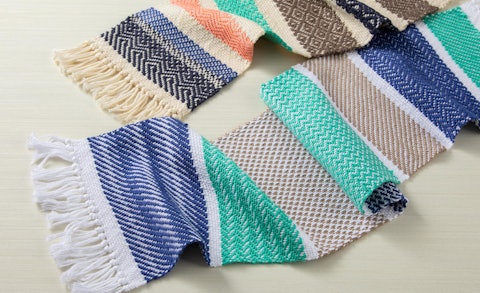 Twill for the Rigid-Heddle Loom: It’s Easier Than You Think!Learn why weavers love twill—and what makes it a great weave for the rigid-heddle loom.Christina Garton · July 14, 2026
 Dealing with Selvedges that Go BumpLace weaves are notorious for creating uneven, scalloped, and overall lumpy-bumpy selvedges. Learn two different methods for handling these selvedges in the first installment of our Summer Selvedge Series. Christina Garton · June 4, 2026
 My New Obsession: Three-Color Pick-up on the Inke LoomFind out how this niche Lithuanian technique found its way to America, and why it’s Christina’s new favorite way to create patterns on her inkle loom.Christina Garton · May 5, 2026
 Long Thread Podcast: Angela Tong, Multidisciplinary MakerSeason 14, Episode 7: A jeweler, knitter, crocheter, weaver, and potter sit down for a chat—and it turns out she's the same person. Angela Tong talks about a creative life built on detail, technique, and staying true to her own voice.Anne Merrow · May 2, 2026
 Get Started: Read a Basic Rigid-Heddle PatternHere's what you'll see in a rigid-heddle pattern in Little Looms—and how to translate that information to the loom!Christina Garton · April 23, 2026
 Up Your Design Game with the Fibonacci SequenceLearn how easy it is to design beautiful, asymmetric patterns using a simple bit of math. Christine Jablonski · April 21, 2026
 Perfectly Portable Looms for Weaving on the GoInterested in weaving on small looms? Learn how easy it is to build your own tiny weaving studio and sampler looms using simple household items. Elizabeth Jensen · March 26, 2026
 Join the Band: A New Retreat Just for BandweaversJoin us this fall for four days of bandweaving fun at Band Camp for Weavers!Christina Garton · March 24, 2026
 Long Thread Podcast: Heather Torgenrud, Pick-Up BandweavingSeason 14, Episode 4: Although her weaving interests vary from Anne Merrow · March 21, 2026
From the Library


Comments
No comments yet — be the first to share your thoughts.
Sign in to join the conversation — commenting is for signed-in members.