
Loading the latest stories…

The 4" square pin loom might be the most well-known, but pin looms come in a wide variety of shapes and sizes.
Christina Garton2 min read
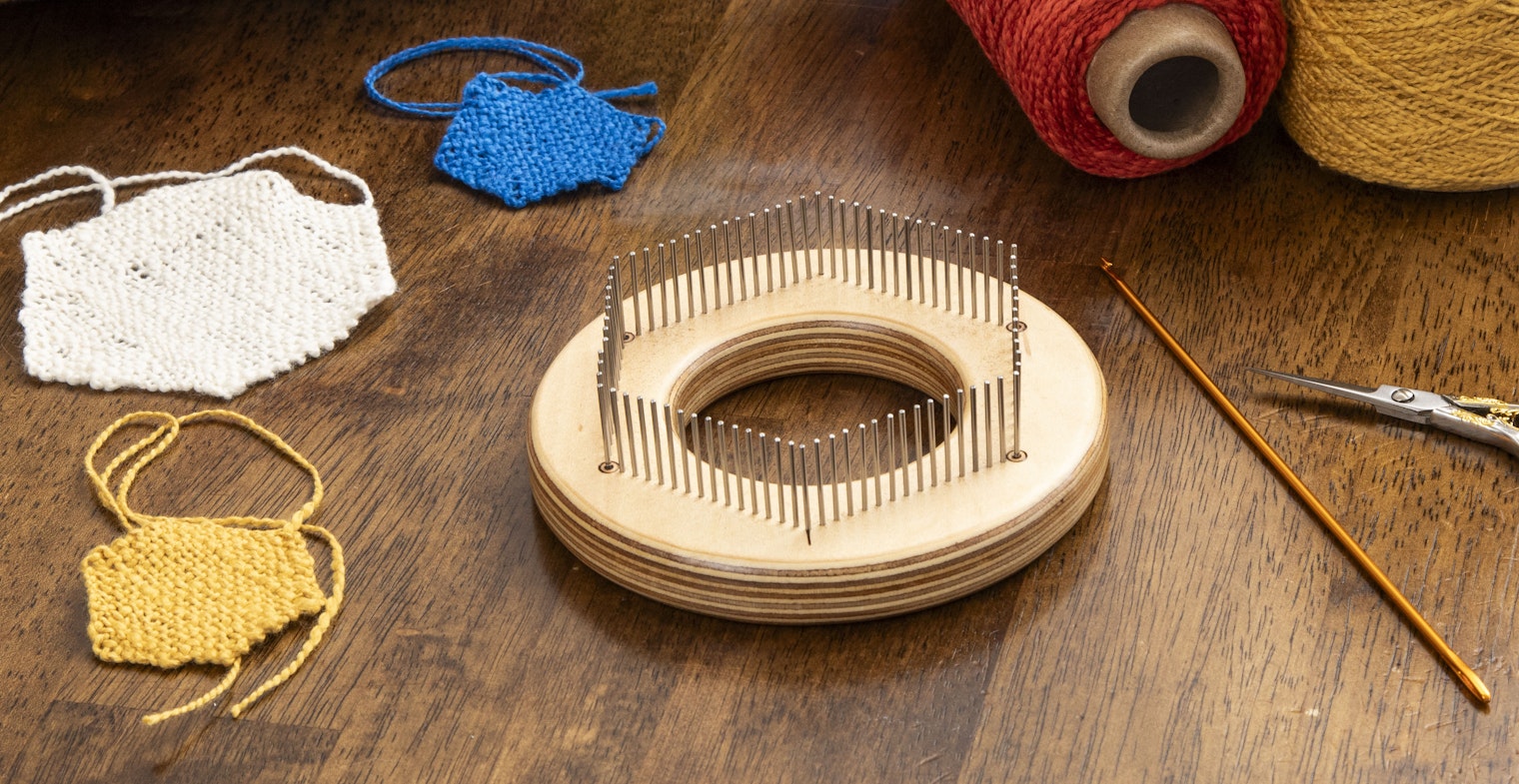
The 4" square pin loom might be the most well-known, but pin looms come in a wide variety of shapes and sizes. You can also regularly find projects that use hexagons, rectangles, and triangles within the project pages of Easy Weaving with Little Looms. These looms can range from quite small—think an inch or so—to looms so large they probably no longer qualify as “little looms”—like a triangle loom that weaves a full-size shawl!
Different loom sizes can make it fun to mix and match woven shapes to create larger pieces. You can combine pin-loom shapes with others that have sides of the same length (a 4" square and a 4" equilateral triangle, for example) or use them on their own. Square pin looms are an amazing tool, but there are also hexagons, diamonds, and even jewel-shaped pentagon looms that offer even more opportunities for design and play.
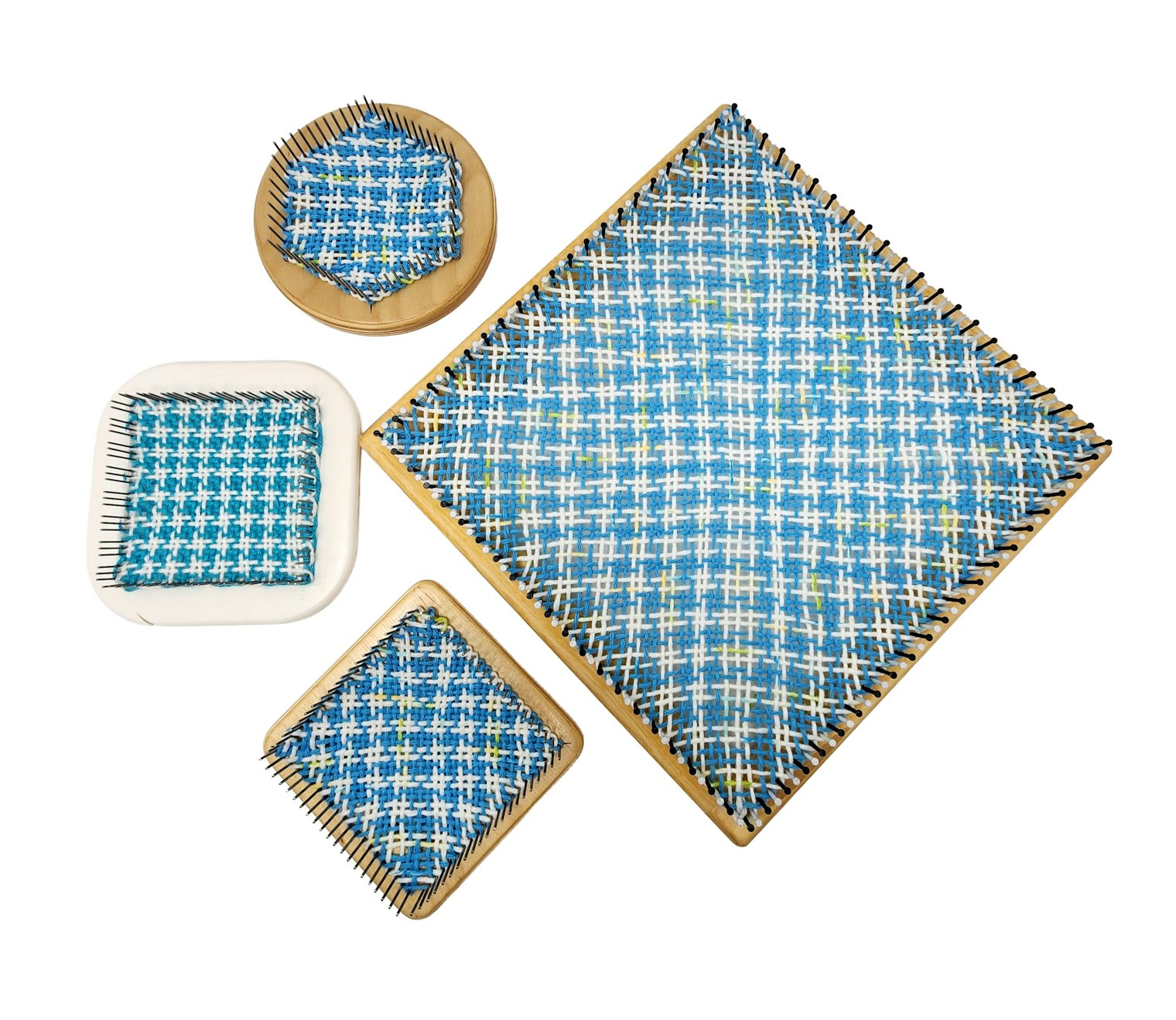
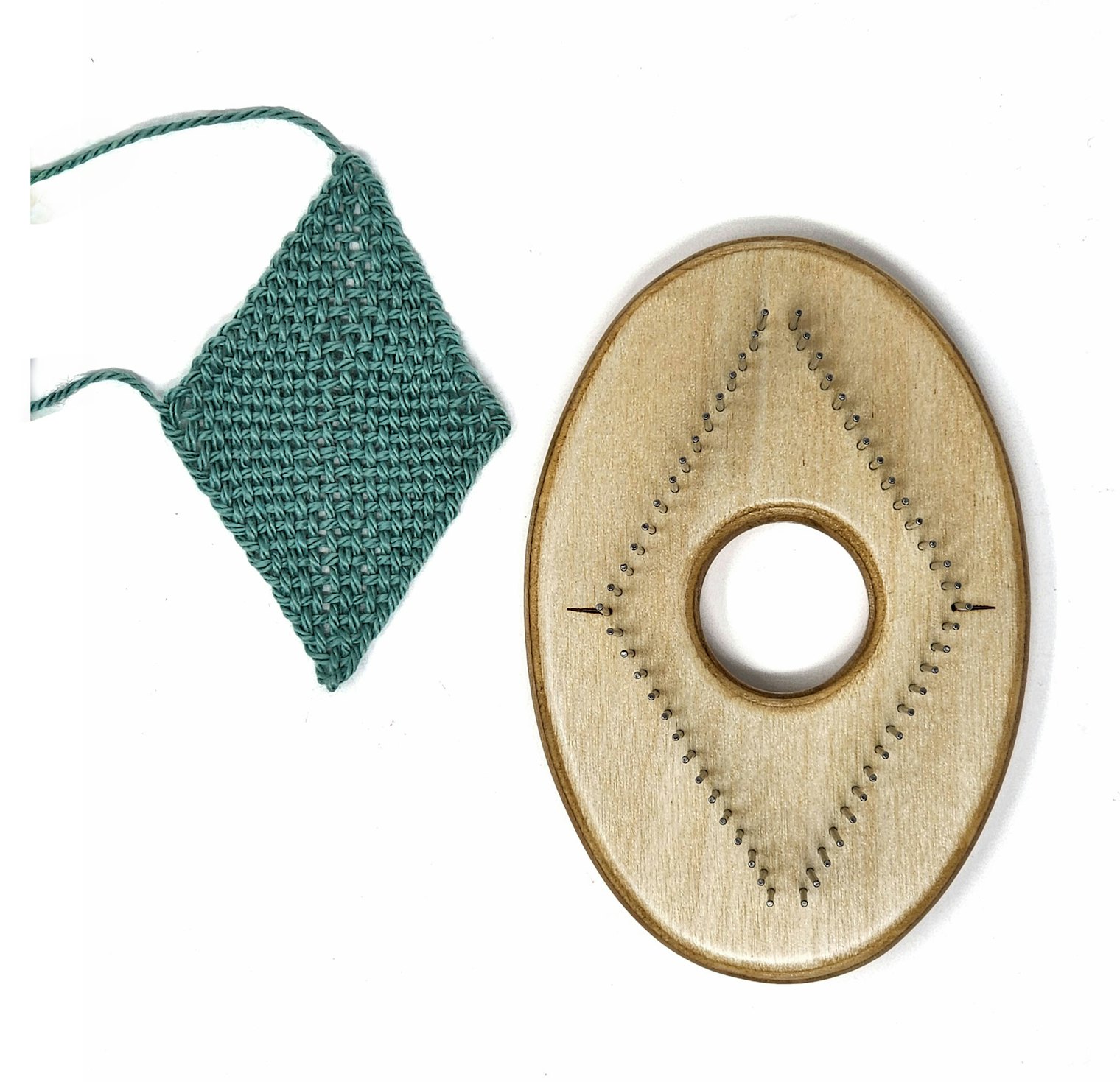
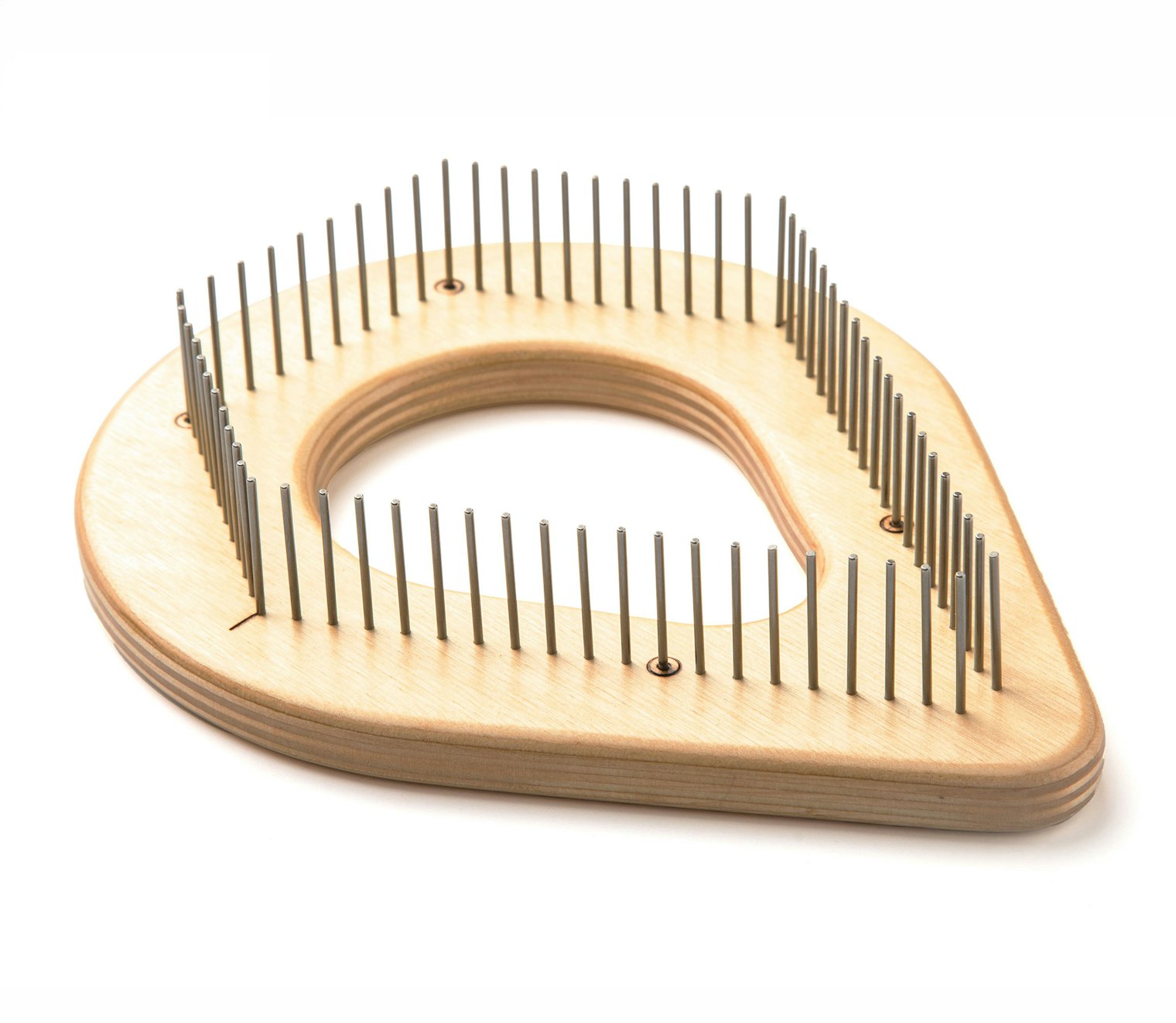
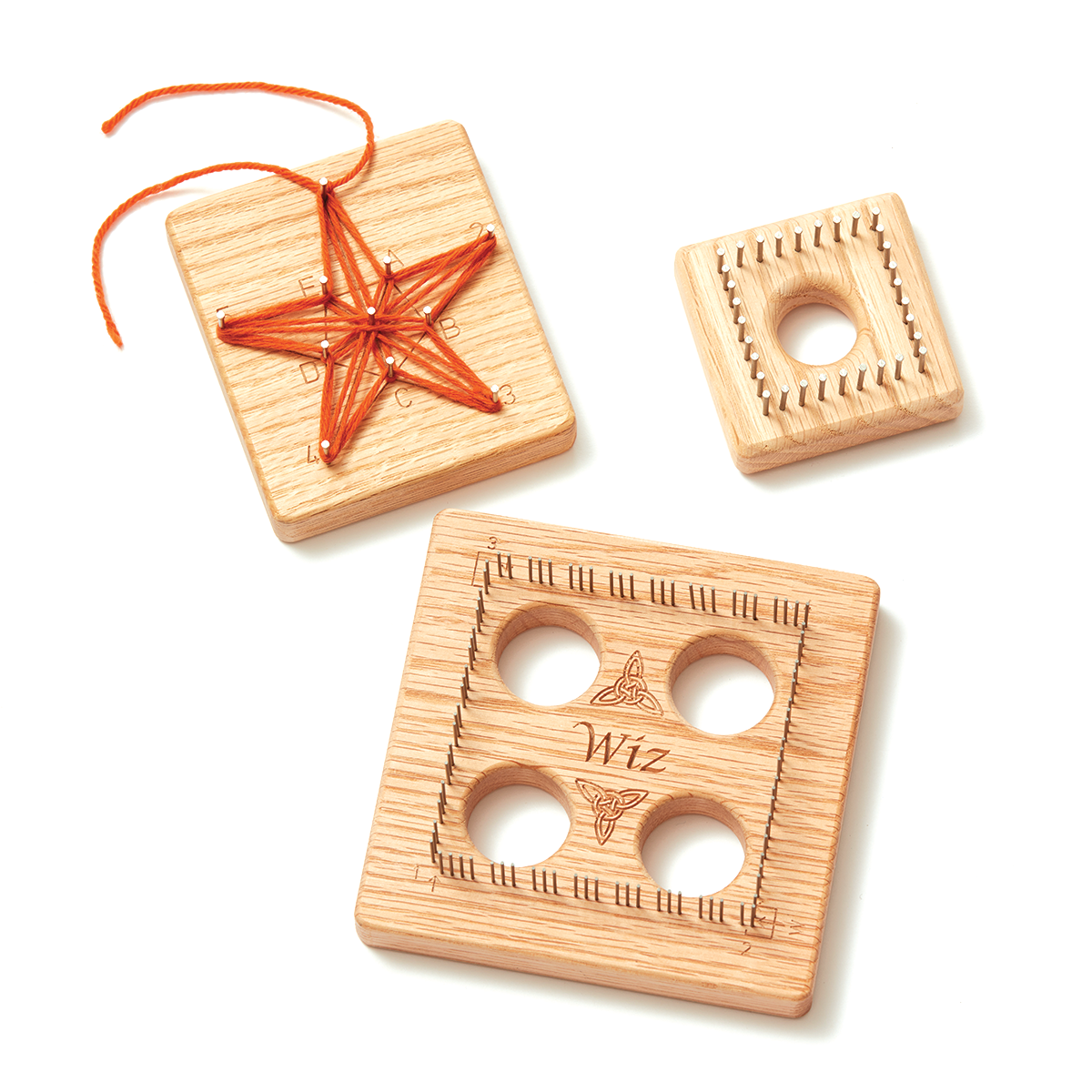
From squares to diamonds to stars, there are so many shapes to choose from!
Along with the shapes mentioned above, you can also find more eclectic shapes including hearts, stars, and even dragonflies. These looms are meant more for creating small accessories or pieces for embellishing a cloth.
Beyond size and shape, one other feature that can vary between looms is the sett. Sett refers to the number of threads in either warp or weft within a set unit of measurement. When talking about cloth woven on other types of looms, you’ll hear it referred to as “ends per inch” (warp) or “picks per inch” (weft). With a pin loom, sett is determined by how close the pins are to one another. The closer the pins, the finer the threads needed, and the higher the possible sett.
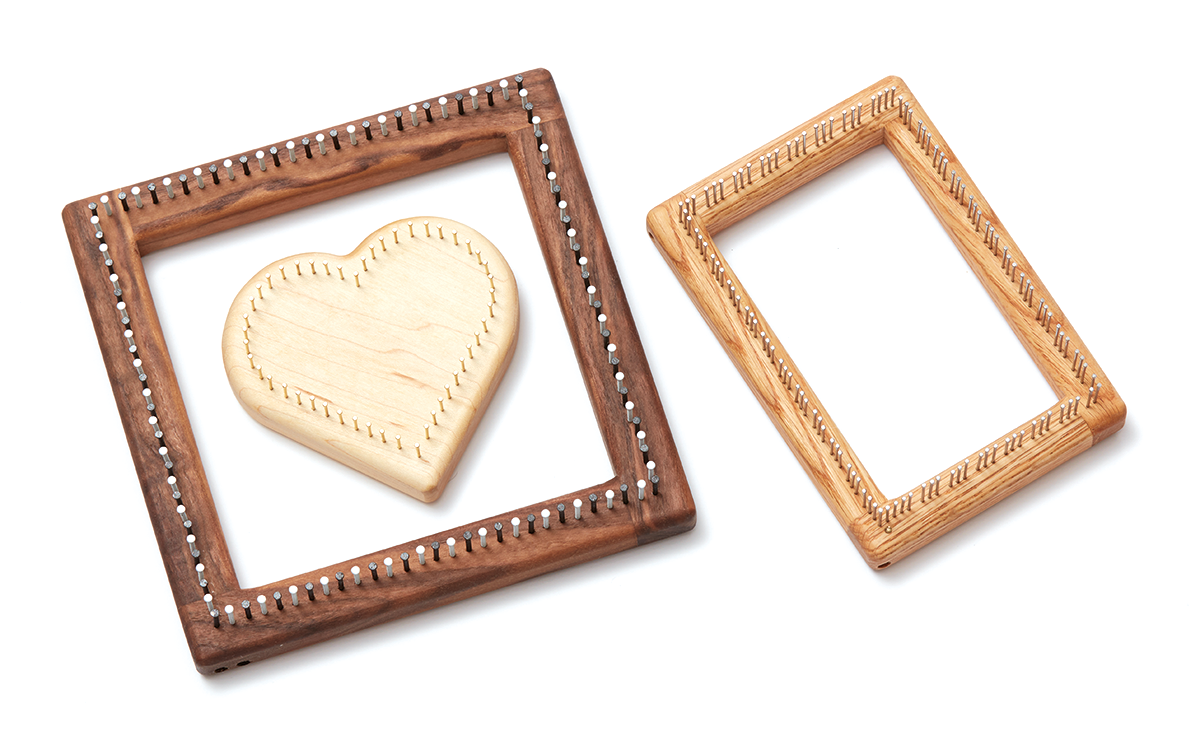
This shows many different sets, and the closer the pins are together, the finer the yarns you’ll weave with.
One last major difference between looms is how you can weave on them.
Many square looms have a 3-pin configuration. With this style of loom, you lay down 3 layers of yarn (2 warp, 1 weft), then use a needle to weave in the final weft layer. Learn how to weave on one in this article.
Some square looms and most other loom shapes use continuous-strand weaving, sometimes called bias weaving. With this style of weaving, you’ll warp and weave in the weft at the same time. (When in doubt as to what your loom is designed for, always check the loom manufacturer’s directions.)
Pin looms of all shapes and sizes are great fun to weave on and open a nearly endless world of design possibilities.
Up Next: Read this article to learn more about choosing pin looms and dispel some of the common myths about them.
Happy weaving!
Christina
More from Little Looms
 Skill Guide: A Weaver’s Guide to FiberNo matter what loom(s) you love to weave on, understanding the different characteristics of a fiber can help you make better choices when picking yarns for projects.Christina Garton · July 31, 2026
 Tutorial: Continuous-Strand WeavingLearn the basics of using the continuous strand–weaving method on a pin loom.Jennifer Chapman · July 30, 2026
 Give Yourself the Gift of a Weaving GetawayWhat’s better than learning to master a new weaving? Doing it among friends, new and old! Little Looms Editors · July 21, 2026
 6 Easy Ways to Elevate Your Selvedges with TrimsAdd extra flair to your selvedges and hems with these terrific trims. Christina Garton · July 16, 2026
 A Celebration of Stripes: Call for Submissions Fall 2027We're looking for striped projects of all kinds for our Fall 2027 issue—and that includes plaids and checks, too!Christina Garton · July 9, 2026
 A Trio of Table ToppersGo beyond rectangular runners with table toppers. Christina Garton · June 30, 2026
 Crochet for Your Selvedges? Your Edges Will Thank YouFind out why Sara Bixler finishes some of her woven pieces with crochet. Watch her free video clip, and then dive into several stitch options to try on your next project. Little Looms Editors · June 25, 2026
 Compose a Masterpiece on Your LoomAfter all, a loom is just another type of stringed instrument. Christina Garton · June 23, 2026
 Two Ways to Make Terrific TasselsTurn loom waste or small bits of extra-special yarns into beautiful, custom-made tassels perfect for trimming handwoven projects and so much more!Christina Garton · June 18, 2026
 An Invitation to SparkleLearn three approaches for using metallic threads to weave fabric that literally shines bright! Christina Garton · June 16, 2026
From the Library


Comments
No comments yet — be the first to share your thoughts.
Sign in to join the conversation — commenting is for signed-in members.